Little Boy Font: A Handwritten Style for Modern Design Projects
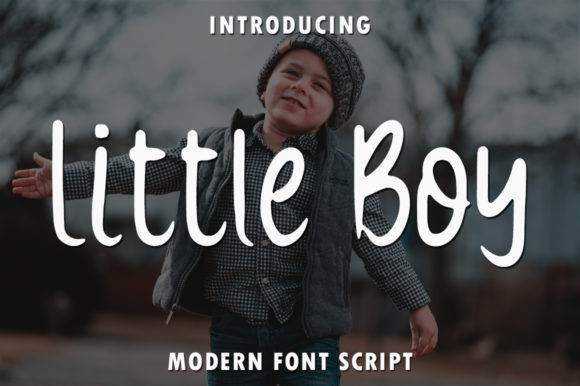
The Little Boy font is a unique and expressive typeface that brings a sense of warmth and personality to digital and print projects. Designed with a sweet and cursive handwritten style, it offers a versatile option for those looking to add a casual, friendly, or artistic touch to their work. Whether you're creating social media content, branding materials, invitations, or personal projects, this font can elevate your design in meaningful ways.
What Makes Little Boy Stand Out?
Little Boy stands out due to its organic, hand-drawn appearance that mimics the natural flow of handwriting. Unlike rigid, geometric fonts, it has subtle imperfections and variations that give it a human feel. This characteristic makes it ideal for designs that aim to convey authenticity, creativity, or a personal connection with the audience.
One of the most notable features of Little Boy is its soft, rounded letterforms. The curves are gentle and fluid, contributing to an overall sense of approachability. This makes it particularly suitable for use in children's products, educational materials, or any project that benefits from a youthful and inviting aesthetic.
Key Characteristics of Little Boy
- Handwritten Style: Mimics natural handwriting with slight irregularities and flourishes.
- Casual Tone: Conveys friendliness and informality through its character shapes and spacing.
- Versatile Use: Works well across a range of mediums, including web, print, and graphic design.
- Emotional Appeal: Evokes warmth and sincerity, making it ideal for personal or emotional messaging.
Who Can Benefit from Using Little Boy?
Little Boy is especially valuable for professionals who need to create content that feels more personal or engaging. Educators, for example, might find it useful in classroom materials or presentations that aim to be more relatable to students. Bloggers and content creators could use it in headers, captions, or call-to-action buttons to add a more conversational tone.
Entrepreneurs and small business owners may also appreciate how Little Boy can help build brand identity. It’s a great fit for logos, packaging, or marketing collateral that aims to appear warm and trustworthy. Freelancers and designers working on wedding invitations, greeting cards, or promotional flyers will find this font adds a charming, personalized element.
Practical Applications of Little Boy
Here are some real-world examples of how Little Boy can be used effectively:
- Social Media Graphics: The font's readability and charm make it perfect for Instagram posts, Facebook banners, or Twitter headers that want to stand out without being too formal.
- Personalized Invitations: Wedding or birthday invitations that use Little Boy can feel more heartfelt and genuine compared to standard sans-serif options.
- Brand Messaging: Companies targeting younger demographics or those emphasizing community and connection can use this font in slogans, taglines, or website copy.
- Educational Materials: Teachers and curriculum developers can enhance learning resources with this font to make them feel more accessible and less intimidating.
Strengths and Limitations of Little Boy
While Little Boy has many strengths, it's important to consider its limitations as well. One of its greatest advantages is its ability to evoke emotion and personality. However, because of its informal nature, it may not be suitable for all professional contexts. For instance, legal documents, financial reports, or technical manuals would typically require a more legible and structured font.
Another consideration is scalability. While Little Boy looks beautiful at smaller sizes, it may lose clarity when used for long paragraphs or body text. It works best for short phrases, headings, or decorative elements rather than extended reading material.
Additionally, while the font is visually appealing, users should ensure it aligns with the overall brand voice and target audience. What may feel charming for a children's book could come off as unprofessional for a corporate website.
Design Tips for Using Little Boy
To get the most out of Little Boy, here are a few practical tips:
- Pair with a Complementary Font: Use Little Boy for headlines and pair it with a clean sans-serif font like Helvetica or Arial for body text to maintain readability.
- Limit Usage: Avoid using the font excessively in one design. It works best when used sparingly to highlight key messages or titles.
- Consider Color and Contrast: Choose colors that complement the font's soft, handwritten look. Warm tones like pastels or muted shades often work well.
- Test Across Devices: Ensure that the font displays clearly on both desktop and mobile screens, especially if it's used for web content.
Long-Term Value and Reliability
When evaluating the long-term value of Little Boy, it's essential to consider its versatility and adaptability. As trends in design continue to shift toward more personalized and emotionally resonant visuals, fonts like this are likely to remain relevant. Its ability to blend seamlessly into various design styles ensures that it can be a reliable asset in a designer's toolkit for years to come.
In terms of reliability, Little Boy is generally well-structured and performs consistently across different platforms and software. However, as with any font, it's wise to test it in your specific workflow before committing to large-scale use. This ensures that it meets your quality standards and integrates smoothly with your existing design processes.
For professionals who value both aesthetics and functionality, Little Boy represents a thoughtful choice that balances creative expression with practical application. Whether you're looking to inject a bit of personality into your next project or simply explore new typographic possibilities, this font offers a compelling option worth considering.