Amillina: A Handwritten Font for Creative Design Projects
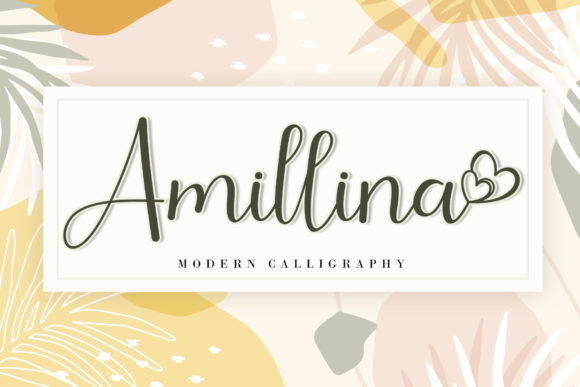
Amillina is a delicate, elegant, and flowing handwritten font that offers a unique aesthetic for a variety of design applications. Its well-balanced characters and fluid strokes make it a versatile choice for designers looking to add a personal or artistic touch to their projects. As a PUA encoded font, Amillina provides easy access to its full range of glyphs and swashes, allowing users to customize their text with ease.
If you're exploring options for a new font to enhance your creative work, Amillina may be worth considering. It is particularly appealing for those who value the charm of handwritten typography but require the consistency and professionalism of a digital font. Whether you're designing logos, invitations, or branding materials, Amillina's soft curves and refined style can bring a sense of grace and individuality to your designs.
Why Consider Amillina?
There are several reasons why someone might be interested in using Amillina. First, its delicate appearance makes it ideal for projects that aim to evoke warmth, elegance, or nostalgia. The flowing nature of the font gives it a handcrafted feel, which can be especially effective in designs targeting audiences who appreciate artisanal or bespoke aesthetics.
Additionally, the fact that Amillina is PUA encoded means that users have access to a wide array of special characters and swashes without needing complex tools or plugins. This feature can be particularly useful for designers who want to add visual interest or variation to their text without compromising on readability.
Another benefit of Amillina is its adaptability. Because of its balanced character structure, it pairs well with both serif and sans-serif fonts, making it suitable for a range of design styles. Whether used as a primary typeface or for accents and headings, Amillina can complement other elements in a layout effectively.
Considerations and Tradeoffs
While Amillina has many strengths, there are also some considerations to keep in mind. Its delicate and flowing style may not be appropriate for all types of projects. For instance, if your design requires a strong, bold, or highly legible font—such as for body text in long-form content or in environments where readability is paramount—Amillina may not be the best choice.
Additionally, because it is a handwritten font, it may not be as suitable for formal or corporate branding unless used sparingly. In such cases, pairing Amillina with more structured fonts could help maintain a professional tone while still incorporating its unique charm.
It's also important to note that while Amillina is free to use, it may not include advanced typographic features found in premium fonts. If your project requires extensive customization or multilingual support, you may need to consider alternative options that offer broader functionality.
Situations Where Amillina Is a Strong Fit
Amillina shines in situations where a soft, organic, and artistic feel is desired. It is an excellent choice for wedding invitations, greeting cards, and other personal or event-based designs where a handcrafted look adds emotional appeal. Its elegance also makes it suitable for boutique branding, lifestyle blogs, and creative portfolios that aim to convey a sense of sophistication and individuality.
For designers working in niches such as stationery, packaging, or illustration, Amillina can serve as a valuable asset. Its ability to blend seamlessly into various design contexts allows for greater creative freedom and expression.
When Alternatives May Be Worth Considering
Despite its versatility, there are scenarios where alternatives to Amillina may be more appropriate. For example, if your design needs to accommodate large amounts of text or require high contrast for accessibility, a more structured and legible font would be better suited to the task.
Similarly, if your brand identity relies on a modern or minimalist aesthetic, Amillina's ornate style might clash with the intended visual direction. In such cases, opting for a clean sans-serif or geometric sans-serif font could provide a more cohesive look.
Designers should also consider the technical aspects of font usage. While Amillina is free and accessible, some premium fonts offer additional features such as ligatures, alternate characters, and multilingual support. These may be essential for certain types of projects or industries.
Practical Insights for Choosing Amillina
When evaluating whether Amillina aligns with your design goals, start by considering the tone and purpose of your project. Ask yourself: Does the font's delicate and flowing style match the message you want to convey? Will it enhance or detract from the overall design?
Next, assess the practical requirements of your project. Are there any constraints related to legibility, scalability, or compatibility with other design elements? Ensuring that Amillina complements your existing assets and meets functional needs is crucial for successful implementation.
Finally, test Amillina in different contexts to see how it performs across various media and screen sizes. This will help you determine whether it's the right fit for your specific use case and allow you to make an informed decision based on real-world results.
In conclusion, Amillina is a beautiful and versatile font that can elevate a wide range of creative projects. Its delicate and flowing style, combined with its PUA encoding and balanced characters, makes it a compelling choice for designers seeking to add elegance and personality to their work. However, like any design tool, it's important to evaluate its suitability based on your specific needs and goals before committing to its use.