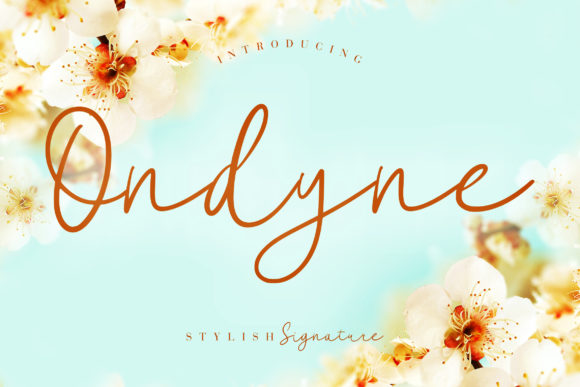
Ondyne: The Flowing Handwritten Font That Elevates Your Design Projects
Are you looking for a font that brings warmth, personality, and elegance to your design work? Ondyne is an incredibly relaxed and flowing handwritten font that has captured the attention of designers, creatives, and content creators alike. With its natural curves and soft, organic feel, Ondyne stands out as a versatile option for a wide range of creative applications—from wedding invitations to social media posts.
What Is Ondyne?
Ondyne is a beautifully crafted, cursive-style typeface designed to mimic the look of handwritten text. Unlike rigid, structured fonts, Ondyne feels fluid and expressive, making it ideal for projects that require a personal touch. Its unique character makes it especially popular among those who want to convey emotion, creativity, or intimacy in their visual communication.
This font is perfect for creating designs that feel handcrafted rather than mass-produced. Whether you're designing stationery, branding materials, or digital content, Ondyne can help you stand out with its distinctive charm.
Why People Love Ondyne
Ondyne's appeal lies in its versatility and aesthetic. It can be used for both formal and casual purposes, making it suitable for a variety of industries and audiences. Some common use cases include:
- Wedding Invitations: Ondyne adds a romantic and elegant touch to invitations, making them feel more personal and heartfelt.
- Stationery Art: From thank-you cards to greeting cards, this font enhances the artistic value of your designs.
- Social Media Posts: Its eye-catching style helps grab attention on platforms like Instagram, Pinterest, and Facebook.
- Brand Identity: Use it for logos, slogans, or taglines that need to feel approachable and human.
Common Mistakes When Using Ondyne
While Ondyne is a fantastic font, there are some common mistakes that people make when using it. These can affect readability, professionalism, and overall effectiveness of your design.
1. Overusing It
One of the most frequent mistakes is using Ondyne in every part of a design. While it looks great in short phrases or headlines, applying it across long paragraphs can reduce readability. Remember, Ondyne is best used sparingly to highlight key messages or create visual interest.
Example: A wedding invitation using Ondyne for the entire text may look beautiful, but if the same font is used for all body copy on a website, it could become hard to read.
Better Approach: Pair Ondyne with a clean, sans-serif font for body text. This combination ensures legibility while still maintaining a stylish look.
2. Ignoring Spacing and Kerning
Ondyne’s flowing nature means that spacing and kerning (the space between letters) are crucial for a polished appearance. If not adjusted properly, the text might appear uneven or cluttered.
Example: Without proper spacing, a name like "Emily" written in Ondyne might have awkward gaps between the letters, which can detract from the overall design.
Better Approach: Always take time to adjust letter spacing manually, especially for names, titles, or important headings. Most design software includes tools to fine-tune these settings.
3. Not Checking Compatibility
Before downloading or purchasing Ondyne, it's important to check whether it's compatible with your design software. Some fonts may only work with specific programs or require additional plugins.
Example: A designer might purchase Ondyne, only to find out later that it doesn’t support certain features in Adobe Illustrator or Photoshop.
Better Approach: Review the font's specifications before purchasing. Look for details about supported platforms, file formats, and any special requirements.
4. Assuming It Works Everywhere
Some users assume that Ondyne will look good in every context, but that's not always the case. For instance, using it for official documents or legal forms may come off as unprofessional.
Example: A business report using Ondyne instead of a standard serif font might appear less credible or trustworthy to readers.
Better Approach: Reserve Ondyne for creative, informal, or emotional projects. Save more traditional fonts for professional or formal contexts.
How to Choose the Right Version of Ondyne
If you're considering using Ondyne, it's important to choose the right version for your needs. Some versions may include additional styles, such as bold or italic variations, while others may offer extended character sets for multilingual use.
Before making a purchase, ask yourself:
- Do I need multiple weights or styles?
- Will I be using this font for print or digital media?
- Does the font support the languages I need?
- Is there a license that allows me to use it for commercial purposes?
These considerations can help ensure that you select the most appropriate version of Ondyne for your project.
Final Tips for Working with Ondyne
To get the most out of Ondyne, consider the following tips:
- Use it for emphasis: Highlight key words or phrases with Ondyne to draw attention without overwhelming the reader.
- Experiment with color: Pair Ondyne with complementary colors to enhance its visual impact.
- Test it on different backgrounds: Make sure it looks good against both light and dark backgrounds, especially for digital use.
- Stay consistent: If using Ondyne in multiple places, maintain a consistent style to avoid confusion.
By avoiding common pitfalls and using Ondyne thoughtfully, you can elevate your design projects and leave a lasting impression on your audience.