Mockingbird: A Timeless Handwritten Font for Elegant Design
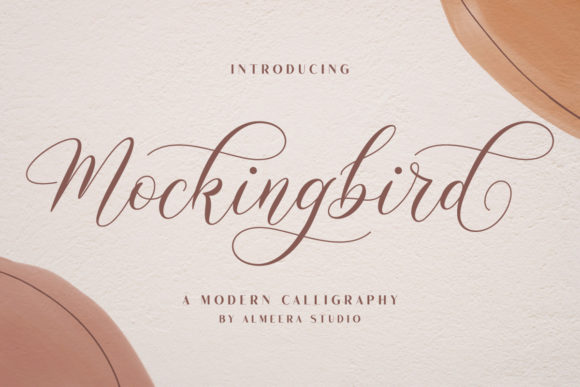
Mockingbird is a handwritten font that stands out for its delicate, organic feel and timeless appeal. Designed to mimic the natural flow of handwriting, it brings a personal and artistic touch to any design project. Whether you're creating wedding invitations, greeting cards, or branding materials, Mockingbird offers a unique aesthetic that feels both modern and classic.
What Makes Mockingbird Distinct?
At first glance, Mockingbird appears to be just another script font, but its features set it apart from similar options. One of its most notable characteristics is the varying baseline, which mimics the natural rhythm of human handwriting. This subtle variation gives the text a more authentic and dynamic look compared to fonts with perfectly aligned baselines.
The font also boasts smooth lines that are easy on the eyes and contribute to its elegant appearance. These lines are not too thick or too thin, making them versatile for a wide range of applications. Additionally, Mockingbird includes a variety of gorgeous glyphs and stunning alternates, allowing designers to add visual interest and personality to their projects.
Another key feature is that Mockingbird is PUA encoded, meaning users can access all of its special characters, swashes, and alternates easily within design software. This makes it highly functional for those who want to explore different typographic styles without the need for complex workarounds.
When to Choose Mockingbird Over Other Fonts
While there are many handwritten fonts available, Mockingbird has specific strengths that make it a good fit for certain projects. For instance, if you're designing wedding invitations, Mockingbird's delicate and romantic style can enhance the overall elegance of the piece. Its soft curves and flowing lines evoke a sense of intimacy and warmth that is perfect for such an occasion.
In contrast, some other script fonts may appear too ornate or difficult to read in smaller sizes. Mockingbird strikes a balance between beauty and readability, making it suitable for use in thank you cards, greeting cards, and even logos. It can add a personal touch without overwhelming the reader.
If you're working on a business card or branding material, Mockingbird can help create a memorable impression. Its clean yet expressive style works well for companies that want to convey creativity and approachability. However, it's important to consider the context—Mockingbird might not be the best choice for formal documents where a more traditional serif font would be more appropriate.
Comparing Mockingbird with Similar Options
When evaluating handwritten fonts, it's helpful to compare Mockingbird with other popular choices. While fonts like Brush Script MT or Great Vibes are also widely used, they often have more exaggerated strokes and a bolder appearance. This can make them less suitable for smaller text or more formal contexts.
Playfair Display is another option that offers a more refined and structured look. While this font is excellent for headlines and titles, it lacks the organic, handwritten feel that Mockingbird provides. If your goal is to create something that feels personal and handcrafted, Mockingbird may be the better choice.
On the other hand, Quicksand and Lato are sans-serif fonts that offer clarity and legibility but lack the stylistic flair of a handwritten font. These are ideal for body text and digital interfaces, but not for projects that require a more artistic or personal touch.
Strengths and Tradeoffs of Using Mockingbird
One of the main strengths of Mockingbird is its ability to convey emotion and personality through typography. The font's delicate lines and varying baseline give it a sense of movement and life, making it ideal for designs that aim to connect with the viewer on an emotional level.
However, like many handwritten fonts, Mockingbird can be challenging to read in long passages or at very small sizes. This means it's best suited for short texts such as quotes, logos, and headings rather than large blocks of body copy. Additionally, because it's a script font, it may not be as compatible with certain design tools or platforms that prioritize simplicity and uniformity.
Another consideration is that Mockingbird may not be the best choice for multilingual projects. While it supports a wide range of languages, its primary focus is on English and other Latin-based scripts. If you're working on a project that requires extensive use of non-Latin characters, you may need to look for alternative fonts that offer broader language support.
Realistic Examples of Mockingbird in Action
Imagine designing a wedding invitation using Mockingbird. The font's soft, flowing lines and gentle curves would create a warm and inviting atmosphere, perfectly capturing the romantic spirit of the event. You could pair it with a simple sans-serif font for the body text to ensure readability while maintaining the overall elegance of the design.
In a greeting card, Mockingbird could be used for the main message or signature, adding a personal and heartfelt touch. Its alternates and swashes allow for creative variations that make each card feel unique. For example, you might use a flourish at the end of a name or a decorative letter to draw attention to a key part of the message.
For a logo, Mockingbird can help establish a brand identity that feels approachable and creative. It works particularly well for businesses in the arts, fashion, or lifestyle industries, where a more expressive and individualized look is desired. However, it's important to ensure that the logo remains legible across different sizes and backgrounds.
When Mockingbird Might Not Be the Right Choice
While Mockingbird is a versatile and beautiful font, it's not always the best option for every project. For example, if you're designing a technical document or instruction manual, a more structured and readable font would be more appropriate. In these cases, the complexity and stylized nature of Mockingbird could make the text harder to follow.
Similarly, if your project requires a high degree of formality or professionalism, such as a corporate report or legal document, a serif or sans-serif font would likely be a better choice. These fonts provide a sense of stability and reliability that is often associated with official or academic settings.
Finally, if you're working on a multilingual project or one that requires a lot of technical formatting, you may find that Mockingbird doesn't offer the necessary flexibility or compatibility. In these situations, it's worth considering other fonts that are designed for broader use cases.
Conclusion
Mockingbird is a distinctive and elegant handwritten font that brings a personal and artistic touch to any design. Its varying baseline, smooth lines, and rich set of glyphs make it a great choice for projects that require a handwritten feel, such as wedding invitations, thank you cards, and logos.
However, it's important to consider the context and purpose of your design before choosing Mockingbird. While it excels in creating a warm and expressive look, it may not be the best option for formal or technical documents. By understanding its strengths and limitations, you can make a more informed decision about whether Mockingbird is the right font for your needs.