Phenom: A Minimalist Sans Serif Font for Versatile Design and Communication
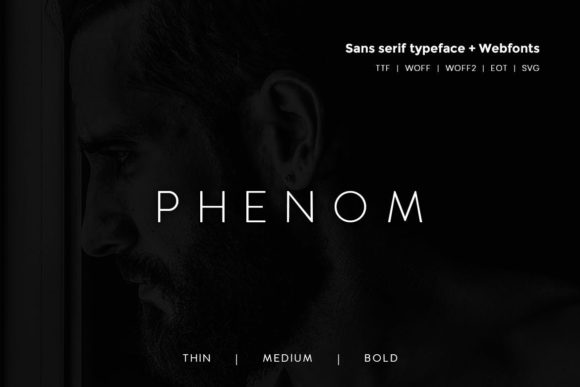
Phenom is a simple and thin lettered sans serif font that embodies minimalism and natural elegance. Designed with clarity in mind, it complements a wide range of design styles, from formal presentations to informal social media posts. Its clean lines and subtle character make it an ideal choice for professionals, creators, and anyone looking to enhance their visual communication without unnecessary complexity.
Understanding the Role of Phenom in Design Workflows
In any design workflow, typography plays a crucial role in conveying messages effectively. Phenom fits seamlessly into this process by offering a versatile option that doesn’t overpower the content it supports. Whether you're crafting a website, designing a brochure, or preparing a presentation, Phenom ensures readability while maintaining aesthetic appeal.
Its minimalist nature makes it particularly useful in projects where simplicity is key. For instance, when creating infographics or data visualizations, Phenom’s thin lettering allows the information to remain the focus without distracting the viewer.
Using Phenom Before, During, and After a Project
Phenom can be integrated at various stages of a project lifecycle, depending on the specific needs of the task at hand.
- Before a project: Use Phenom during the planning phase for brainstorming sessions, mood boards, or initial sketches. Its clean appearance helps maintain a focused environment conducive to creative thinking.
- During a project: As you develop your content, Phenom serves as a reliable font for text elements such as headings, captions, and body copy. It works well with both digital and print media, ensuring consistency across platforms.
- After a project: When finalizing your work, Phenom can be used for proofreading and refining text elements. Its readability helps catch errors more easily, contributing to a polished end result.
Integrating Phenom with Other Tools and Resources
Phenom interacts well with other design tools and resources, enhancing overall workflow efficiency. It pairs beautifully with graphic design software like Adobe Illustrator and Photoshop, where its thin stroke width allows for precise control over typography.
For web developers, Phenom is compatible with popular CSS frameworks and can be easily embedded using Google Fonts or similar services. This compatibility ensures that designers and developers can use it consistently across different platforms without additional setup.
When working with content management systems (CMS) such as WordPress or Squarespace, Phenom can be applied to headers, menus, and body text to maintain a cohesive visual identity. Its adaptability makes it suitable for both responsive and fixed-width layouts.
Practical Implementation Tips and Workflow Examples
To integrate Phenom smoothly into your workflow, consider the following tips:
- Choose appropriate weights: Although Phenom is primarily a thin font, explore variations if available to add depth to your designs without losing its minimalist essence.
- Use it strategically: Apply Phenom to headings and subheadings rather than long paragraphs. This approach maintains visual balance and prevents text fatigue.
- Test across devices: Ensure that Phenom renders clearly on all screen sizes and resolutions. Test it on mobile, tablet, and desktop views to confirm its usability in different contexts.
Example workflow: A blogger preparing a new post might start by outlining the structure using Phenom for section titles. As they write the content, they ensure that body text uses a more readable font, reserving Phenom for emphasis or decorative elements. Finally, before publishing, they review the layout to ensure that Phenom enhances rather than detracts from the overall message.
Factors Influencing the Effectiveness of Phenom
The effectiveness of Phenom depends on several factors, including preparation, compatibility, usability, and consistency.
Preparation: Understand the context in which you’ll use Phenom. Determine whether it aligns with the tone and purpose of your project. For example, it may not be suitable for highly technical documents but works well for lifestyle blogs or branding materials.
Compatibility: Ensure that Phenom is supported by the tools and platforms you use. Check font licensing agreements to avoid legal issues, especially when working on commercial projects.
Usability: Consider how easy it is to apply and adjust Phenom within your design software. Look for tutorials or guides that demonstrate best practices for using the font effectively.
Consistency: Maintain a consistent typographic style throughout your project. Avoid mixing too many fonts, and use Phenom in a way that reinforces your brand identity or message.
Long-Term Use and Quality Control
For long-term use, it’s important to evaluate how Phenom performs over time. Monitor how it looks in different environments and update your usage guidelines accordingly. Regularly review your designs to ensure that Phenom continues to meet your standards for quality and aesthetics.
Implementing a quality control process can help maintain high standards. For example, create a checklist that includes reviewing font choices, checking for legibility, and ensuring alignment with brand guidelines. This approach helps prevent inconsistencies and ensures that your work remains professional and visually appealing.
Additionally, consider gathering feedback from peers or clients to refine your use of Phenom. Their insights can highlight areas for improvement and help you make informed decisions about font selection and application.
Conclusion
Phenom is more than just a font; it's a tool that can enhance your design and communication efforts. By understanding its role in different workflows and integrating it thoughtfully, you can leverage its minimalist beauty to create compelling visuals that resonate with your audience. Whether you're a designer, marketer, educator, or entrepreneur, Phenom offers a flexible and elegant solution for your typography needs.