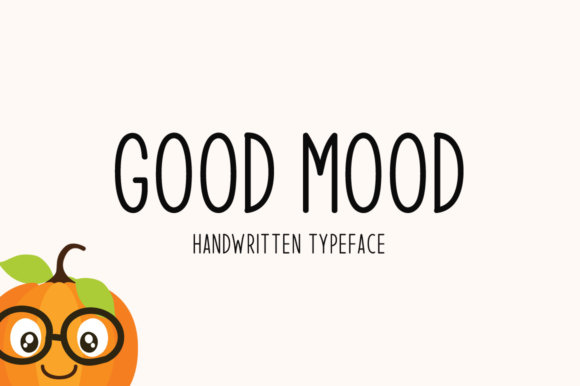
Good Mood: A Simple and Natural Handwritten Font for Everyday Creativity
If you're looking for a font that feels like a personal note from a friend, Good Mood might just be what you need. This handwritten font brings a sense of warmth and authenticity to any design project. Its thin and casual style makes it ideal for a wide range of applications, from branding to personal projects.
What Is Good Mood?
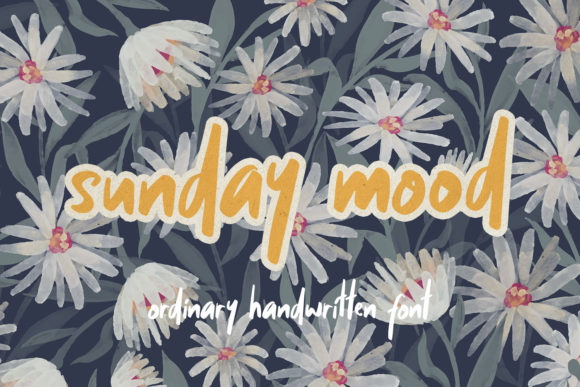
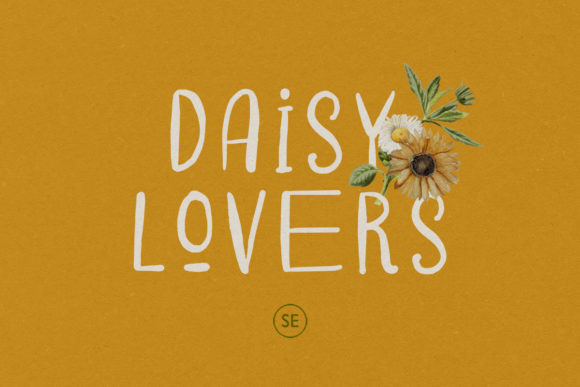
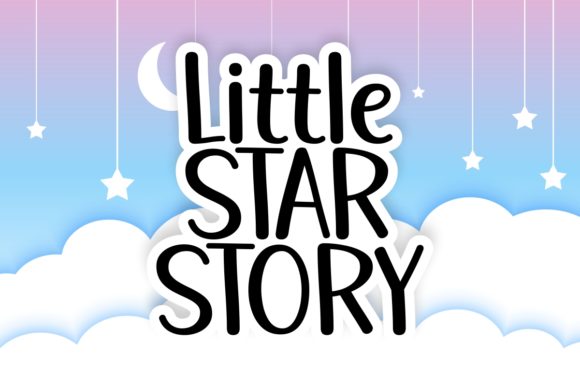
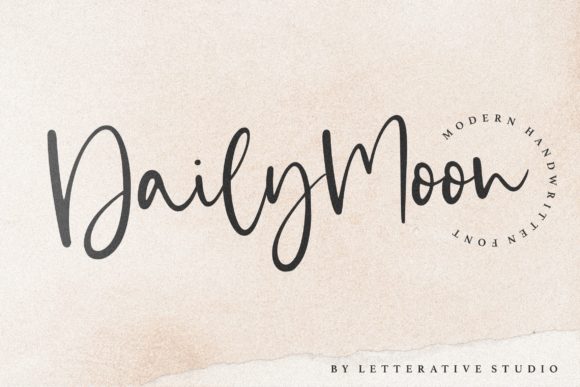
Good Mood is a handwritten font designed to mimic the natural flow of handwriting. It's not overly stylized or complicated, which means it works well in many different contexts. The font has a clean look with subtle variations in stroke thickness, giving it a realistic and friendly appearance.
This font is perfect for those who want to add a personal touch to their designs without making them look too formal. Whether you're creating social media content, designing packaging, or working on a personal blog, Good Mood can bring a unique flair to your work.
Real-World Uses for Good Mood
The versatility of Good Mood makes it suitable for various industries and purposes. Here are some real-world scenarios where this font shines:
- Marketing Materials: Use Good Mood in flyers, posters, or advertisements to create a friendly and approachable brand image.
- Personal Projects: From birthday cards to thank-you notes, this font adds a personal touch that makes your messages feel more heartfelt.
- Web Design: Incorporate Good Mood into website headers, call-to-action buttons, or navigation menus for a more relaxed and inviting feel.
- Product Packaging: This font can be used on product labels, tags, or packaging to give your products a more organic and handcrafted look.
- Social Media: Create engaging posts with Good Mood for captions, hashtags, or text overlays that stand out in a sea of digital content.
Each of these use cases benefits from the font’s natural and easygoing style, making it a go-to choice for designers and creators alike.
Who Can Benefit from Using Good Mood?
Good Mood is not just for professional designers; it can also be a great tool for individuals who want to express themselves creatively. Here are a few groups of people who might find this font particularly useful:
- Small Business Owners: If you run a boutique, café, or local shop, using Good Mood in your branding can help you connect with customers on a more personal level.
- Freelancers and Entrepreneurs: This font can enhance your online presence by adding a friendly and trustworthy vibe to your website or marketing materials.
- Students and Educators: Teachers can use Good Mood in classroom materials or presentations to make learning more engaging, while students can incorporate it into study notes or creative projects.
- Artists and Crafters: Those involved in DIY projects, handmade goods, or art can use this font to add a personal and artistic touch to their work.
No matter who you are, Good Mood offers a simple yet effective way to convey your message with personality and charm.
Practical Examples and Observations
Let’s take a closer look at how Good Mood can be applied in practical situations. Imagine you’re running a small bakery and want to create a new logo. Instead of going for a bold and modern font, you choose Good Mood to reflect the cozy and welcoming atmosphere of your shop. The result is a logo that feels warm and inviting, instantly connecting with potential customers.
Another example could be a local bookstore that wants to redesign its website. By using Good Mood in the headlines and navigation menu, the site becomes more approachable and less intimidating, encouraging visitors to spend more time browsing.
Even in personal projects, like designing a wedding invitation or a birthday card, Good Mood can make your message feel more genuine and heartfelt. It’s the kind of font that makes people smile and remember your words long after they’ve read them.
Considerations Before Using Good Mood
While Good Mood is versatile and easy to use, there are a few things to keep in mind before incorporating it into your designs:
- Legibility: Although the font is casual, it’s important to ensure that the text remains readable, especially when used in smaller sizes or on screens with lower resolution.
- Contrast: Make sure the font contrasts well with the background color to maintain clarity and visibility.
- Consistency: While the font has a natural feel, it’s best to use it consistently throughout a design to avoid a cluttered or disjointed look.
- Appropriateness: Consider the context in which you're using the font. While it’s great for informal settings, it may not be suitable for highly formal or professional documents.
By keeping these factors in mind, you can make the most of Good Mood while ensuring your designs remain clear and effective.
Strengths and Limitations of Good Mood
Good Mood has several strengths that make it a popular choice among designers and creators. Its simplicity and natural appearance make it easy to use and adapt to different styles. Additionally, the font’s thin and casual look gives it a sense of elegance and approachability that can enhance almost any design.
However, like any font, Good Mood does have its limitations. It may not be the best choice for projects that require high contrast or extreme legibility, such as signage or body text in long documents. In these cases, a more structured or sans-serif font might be more appropriate.
Despite these limitations, Good Mood remains a valuable tool for anyone looking to add a personal and friendly touch to their creative work. Its unique character and natural feel make it a standout choice for a wide range of applications.