Candelia: A Handwritten Font That Balances Elegance and Modernity
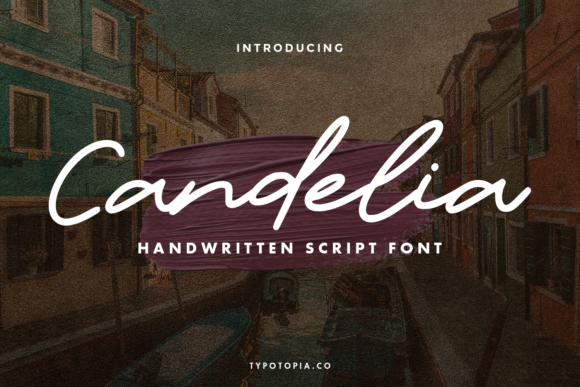
Candelia is an exquisite handwritten font that has captured the attention of designers, writers, and creative professionals alike. Its unique blend of calligraphic influence and contemporary design makes it a versatile choice for a wide range of projects. Whether you're working on branding materials, editorial content, or digital interfaces, Candelia offers a refined aesthetic that feels both timeless and fresh.
What Makes Candelia Stand Out?
Candelia distinguishes itself through its elegant strokes and fluid curves, which mimic the natural flow of handwriting while maintaining a level of consistency that is essential for professional use. Unlike many other handwritten fonts that can appear too informal or inconsistent, Candelia strikes a balance between authenticity and polish. This makes it suitable for both personal and commercial applications without compromising on quality.
One of the key features of Candelia is its ability to convey warmth and personality. The subtle variations in letterforms give each character a unique feel, making text more engaging and expressive. This is particularly useful in marketing materials, invitations, and other communications where a personal touch is desired.
Comparing Candelia with Similar Fonts
When considering alternatives to Candelia, it's important to evaluate how different fonts align with specific design goals. For instance, fonts like Brush Script MT or Playfair Display are also popular choices for their calligraphic styles. However, these options may not offer the same level of readability or versatility as Candelia.
Brush Script MT, while similar in its hand-drawn appearance, often lacks the refinement that makes Candelia stand out. It can be difficult to read at smaller sizes and may not scale well across different media. In contrast, Candelia maintains clarity and legibility even when used in body text or headlines.
Playfair Display, on the other hand, is a serif font with a more formal and structured look. While it excels in print and high-end publishing, it may not provide the same sense of intimacy and approachability that Candelia offers. This makes Candelia a better fit for projects that require a friendly yet sophisticated tone.
Strengths and Tradeoffs of Using Candelia
Candelia’s strengths lie in its adaptability and visual appeal. It works well in both digital and print formats, and its clean lines ensure that it remains readable across various platforms. The font is available in multiple weights and styles, allowing designers to customize it to suit different needs and contexts.
However, like any font, Candelia has its limitations. It may not be the best choice for long-form content where excessive stylistic variation could make reading more challenging. Additionally, because of its handwritten nature, it might not be ideal for highly technical or data-driven materials where neutrality is preferred.
Another consideration is the availability of supporting characters and languages. While Candelia supports a broad range of languages, users should verify that it includes the necessary glyphs for their specific project requirements.
Best-Fit Situations for Candelia
Candelia shines in scenarios where a personal and elegant touch is needed. Here are some situations where it may be the right choice:
- Brand Identity: Candelia can be used for logos, taglines, and brand messaging to create a warm and inviting image.
- Invitations and Cards: Its handwritten style makes it perfect for wedding invitations, thank-you cards, and other personal correspondence.
- Editorial Design: From magazine covers to blog headers, Candelia adds a sense of sophistication and creativity.
- Digital Interfaces: When used sparingly, Candelia can enhance user experience by adding a human element to digital platforms.
On the flip side, if your project requires a more neutral or technical font, you may want to explore other options that better align with your goals.
Evaluating Candelia for Your Needs
Before committing to Candelia, consider the following factors:
- Purpose: What is the primary goal of your project? If you're aiming for a personal and artistic feel, Candelia is an excellent choice. If your focus is on clarity and professionalism, you may need a more standard font.
- Readability: How will the text be used? For body copy, ensure that the font remains legible at all sizes. Candelia performs well in this regard but may not be ideal for very small text.
- Compatibility: Check if Candelia integrates well with your existing design tools and software. Many modern design programs support a wide range of fonts, including Candelia.
- Cost: While Candelia is available for purchase from reputable font foundries, consider whether the investment aligns with your budget and the value it brings to your project.
By carefully evaluating these aspects, you can determine whether Candelia is the right fit for your specific needs.
Real-World Applications and Examples
Candelia has been successfully used in a variety of real-world applications. For example, a boutique hotel might use Candelia for its website header and promotional materials to create a welcoming and stylish atmosphere. Similarly, a lifestyle blog might incorporate Candelia into its headings and feature images to add a personal flair.
In another scenario, a wedding planner might choose Candelia for designing invitations and save-the-date cards, leveraging its handwritten charm to evoke a sense of romance and celebration.
These examples highlight how Candelia can be tailored to different contexts, enhancing the overall aesthetic and emotional impact of the design.
Ultimately, the decision to use Candelia depends on your specific requirements and creative vision. By understanding its strengths, tradeoffs, and best-fit situations, you can make an informed choice that aligns with your goals and enhances your projects.