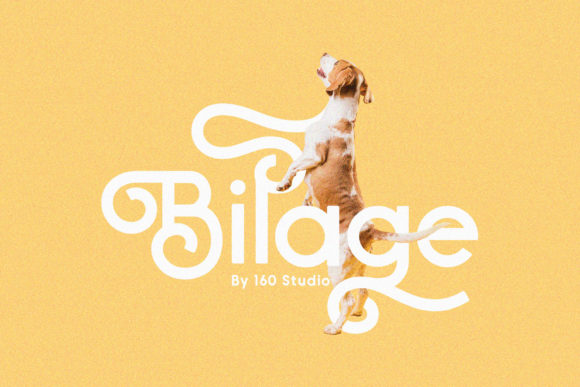
Bilage: A Handwritten Font That Elevates Creativity and Communication
Bilage is a handwritten font that brings warmth, authenticity, and personality to any design project. Its natural charm makes it a versatile tool for professionals and creators who want to communicate with intention and impact. Whether you're designing stationery, greeting cards, or digital content, Bilage offers a unique aesthetic that stands out in a world of uniform typography.
Why Bilage Is a Strategic Design Choice
In today's competitive marketplace, standing out is essential. Bilage provides a way to differentiate your brand or message by adding a human touch. Unlike generic sans-serif or serif fonts, Bilage feels personal and approachable. This can be especially useful in industries where trust and connection are key, such as education, publishing, or customer service.
For entrepreneurs and small business owners, using Bilage can help build a more relatable brand identity. It signals that your company values creativity and individuality—qualities that resonate with modern consumers who seek authenticity.
When to Use Bilage for Maximum Impact
Bilage shines in projects that benefit from a handcrafted feel. Consider using it for:
- Stationery: Invitations, thank-you notes, and greeting cards take on a more personal tone when designed with Bilage.
- Branding Materials: Logos, taglines, and promotional materials gain character and memorability.
- Digital Content: Blogs, social media posts, and email newsletters become more engaging with the right font choice.
- Learning Resources: Educational materials, workbooks, and presentations can feel more inviting and accessible.
However, it’s important to use Bilage thoughtfully. While its charm is undeniable, overuse can lead to visual clutter or inconsistency. Always consider the context and audience before making it a primary font choice.
Strategic Planning with Bilage
Before incorporating Bilage into your design workflow, ask yourself a few strategic questions:
- What is the purpose of this project? Does Bilage align with the intended message?
- Who is the target audience? Will they find Bilage appealing or confusing?
- How does Bilage fit within the overall design system? Are there other fonts that complement it?
These considerations ensure that your use of Bilage is intentional and effective. For example, if you're creating marketing materials for a luxury brand, you may pair Bilage with a clean, modern sans-serif to balance elegance with readability.
Practical Tips for Using Bilage Effectively
To maximize the value of Bilage, follow these best practices:
- Use it for headings and titles: Bilage works well for short, impactful text. Avoid using it for long paragraphs, which can become hard to read.
- Pair it with complementary fonts: Combine Bilage with a legible font for body text to maintain clarity and visual harmony.
- Experiment with spacing and size: Adjust letter spacing and font size to enhance legibility and aesthetics.
- Test across devices and platforms: Ensure that Bilage displays consistently on different screens and browsers.
By applying these strategies, you can create designs that are both visually appealing and functionally sound.
Risks of Using Bilage Without Strategy
While Bilage is a beautiful font, it's not always the best choice. Overusing it or using it in the wrong context can dilute your message or confuse your audience. For instance, using Bilage for technical documentation or legal forms might make the content appear unprofessional or difficult to read.
Another risk is relying too heavily on Bilage without considering accessibility. Handwritten fonts can sometimes be harder to read for people with dyslexia or visual impairments. Always test your designs with diverse audiences to ensure inclusivity.
Additionally, using Bilage without proper licensing can lead to legal issues. Make sure you understand the terms of use before incorporating it into commercial projects.
How to Integrate Bilage Into Your Workflow
If you're new to using Bilage, start by experimenting with small projects. Try redesigning a simple greeting card or updating your social media headers. As you become more comfortable with the font, you can explore larger-scale applications like branding or packaging.
Consider building a font library that includes Bilage along with other styles that serve different purposes. This allows you to choose the most appropriate font for each task based on the desired outcome.
Finally, stay informed about trends and best practices in typography. The way people perceive and interact with fonts evolves over time, so continuous learning will help you make better design decisions.
The Long-Term Value of Thoughtful Typography
Typography is more than just choosing a font—it's about shaping how your message is received. By using Bilage strategically, you can enhance your communication, strengthen your brand, and create more meaningful connections with your audience.
Whether you're an educator looking to make learning materials more engaging or a marketer aiming to stand out in a crowded space, Bilage offers a powerful tool to support your goals. When used with purpose, it can contribute to better outcomes, increased engagement, and a stronger sense of identity.
Ultimately, the success of any design project depends on thoughtful planning and execution. Bilage is a valuable asset when used intentionally, but it should never replace clear goals or good design principles. With the right approach, it can be a key component of your creative strategy.