Angel Cry: A Monoline Script Font with Unique Charm for Creative Projects
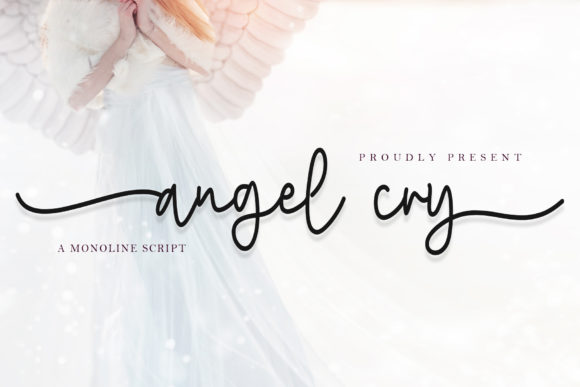
Angel Cry is a beautiful monoline script font that effortlessly adds a perfect look to any craft. Its elegant curves and flowing design make it ideal for greeting cards, wedding invitations, book covers, logos, stationery, and much more. Whether you're a professional designer or just starting out, Angel Cry offers a unique charm that can elevate your creative projects.
Why Choose Angel Cry?
Angel Cry stands out due to its clean, monoline style that combines the beauty of cursive writing with the clarity of a modern sans-serif font. This makes it highly versatile and suitable for both digital and print media. The font is also PUA encoded, which means you can access all of the cute glyphs with ease. Additionally, it features a wealth of ligatures that enhance the visual appeal of your text.
For designers, marketers, bloggers, and educators, Angel Cry provides a powerful tool to create visually engaging content. Its use in branding, promotional materials, and personal projects can significantly impact the overall aesthetic and professionalism of your work.
Common Mistakes When Using Angel Cry
While Angel Cry is a versatile font, there are some common mistakes that users often make when choosing or applying it. These mistakes can affect the readability, usability, and overall effectiveness of your design.
Mistake 1: Overusing Ligatures
Many users may be tempted to use too many ligatures in their designs, thinking it will add more personality. However, excessive use can make the text hard to read, especially in smaller sizes or on digital screens. It's important to balance the use of ligatures to maintain clarity and legibility.
Better Approach: Use ligatures sparingly, especially in body text. Reserve them for headings or special elements where they can add visual interest without compromising readability.
Mistake 2: Ignoring Font Pairing
Using Angel Cry as the only font in a design can sometimes result in a lack of contrast and visual interest. While it's a beautiful script font, pairing it with a complementary sans-serif or serif font can create a more balanced and professional look.
Better Approach: Consider pairing Angel Cry with a clean sans-serif font like Helvetica or Arial for body text. This combination works well for invitations, posters, and other printed materials.
Mistake 3: Not Checking Glyph Availability
Although Angel Cry is PUA encoded, not all characters may be available by default. Some users might overlook this and end up with missing letters or symbols, which can disrupt the flow of the text.
Better Approach: Always check the font’s character map or sample text before finalizing your design. This ensures that all necessary characters are available and accessible through the appropriate keyboard shortcuts or tools.
What to Check Before Using Angel Cry
Before incorporating Angel Cry into your project, it's essential to evaluate a few key factors to ensure the best results. These considerations can help avoid potential issues and improve the overall quality of your work.
- License Agreement: Make sure you understand the terms of the license agreement, especially if you're using the font for commercial purposes. Some fonts require additional licensing for web use or large-scale printing.
- Font Compatibility: Test the font across different platforms and devices to ensure it renders correctly. Some script fonts may display differently on various operating systems or browsers.
- File Format: Ensure you have the correct file format (OTF or TTF) for your design software. Some programs may not support certain formats, so it's important to verify compatibility beforehand.
- Design Context: Consider the context in which you'll be using the font. Script fonts like Angel Cry may not be suitable for long paragraphs of text but work well for headlines, titles, and short phrases.
Realistic Examples and Better Approaches
Let’s say you're designing a wedding invitation and want to use Angel Cry for the main text. Instead of applying it to the entire invitation, consider using it for the names and dates while pairing it with a more readable sans-serif font for the rest of the text. This approach maintains the elegance of Angel Cry while ensuring the information is easy to read.
Another example could be using Angel Cry for a logo design. While the font's unique charm is appealing, it's crucial to ensure that the logo remains scalable and recognizable at different sizes. Testing the logo in various contexts—such as on a business card, website header, or social media profile—can help identify any potential issues early on.
If you're creating a blog post or marketing material, remember that Angel Cry is best used for emphasis rather than body text. Applying it to headings or call-to-action buttons can draw attention without overwhelming the reader.
Conclusion
Angel Cry is a beautiful monoline script font that can bring a unique charm to your creative projects. By understanding its strengths and limitations, you can avoid common mistakes and use it effectively in a variety of applications. Whether you're designing greeting cards, logos, or marketing materials, Angel Cry offers a versatile and elegant solution that can enhance your work.